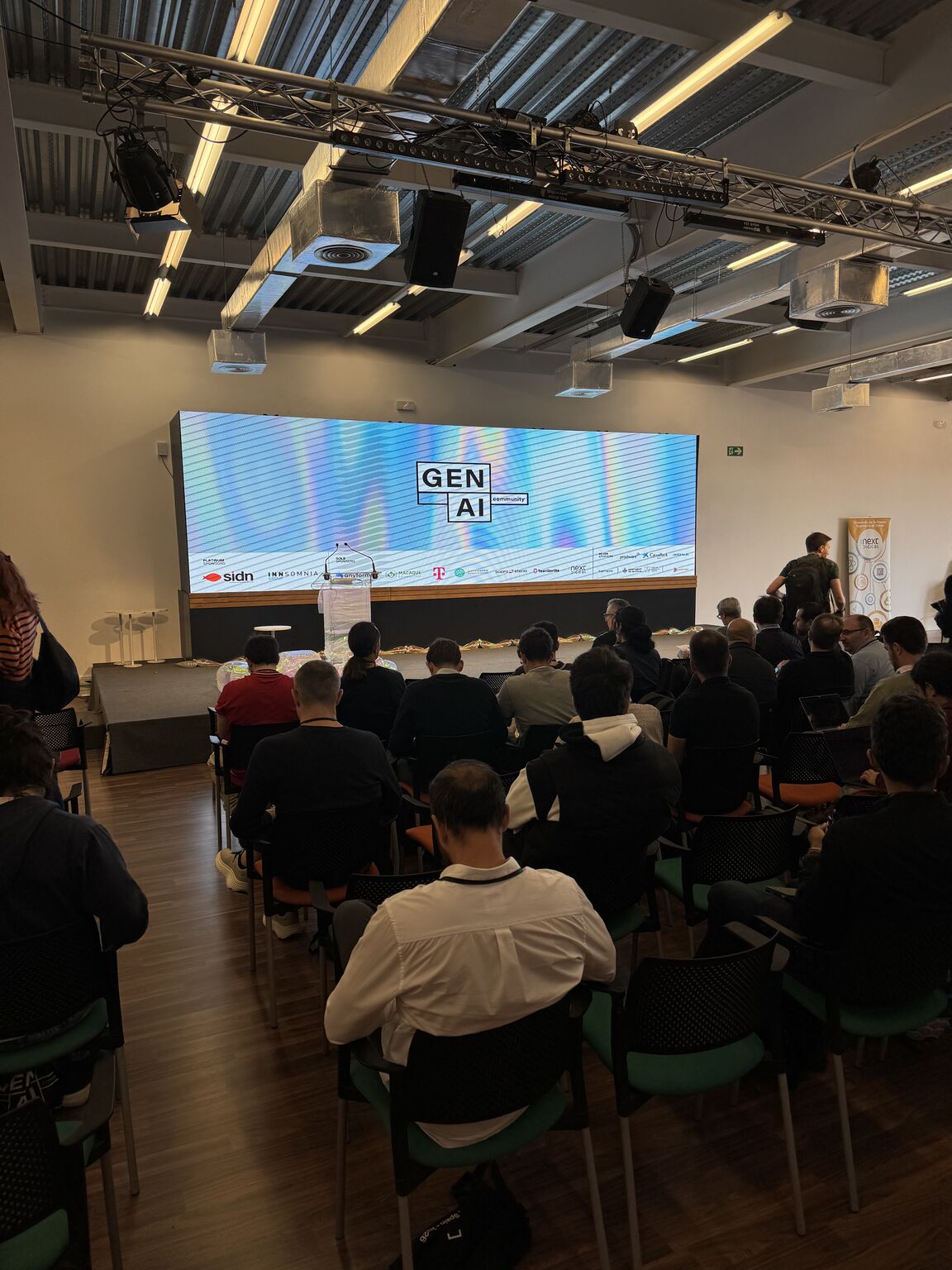
For me, the second day of GenAI Summit Valencia was the most strategic of the whole event.
Less superficial fascination, and much more serious conversation about governance, regulation, and how Europe can compete in AI without being reduced to the role of regulator.
One point came through very clearly: many organizations still have not fully absorbed that the challenge is no longer only technical. Companies do not yet have the structure required for this shift in paradigm.
The real difficulty lies in decision-making, organizational design, and how to integrate AI across the business in a way that is both practical and sustainable.
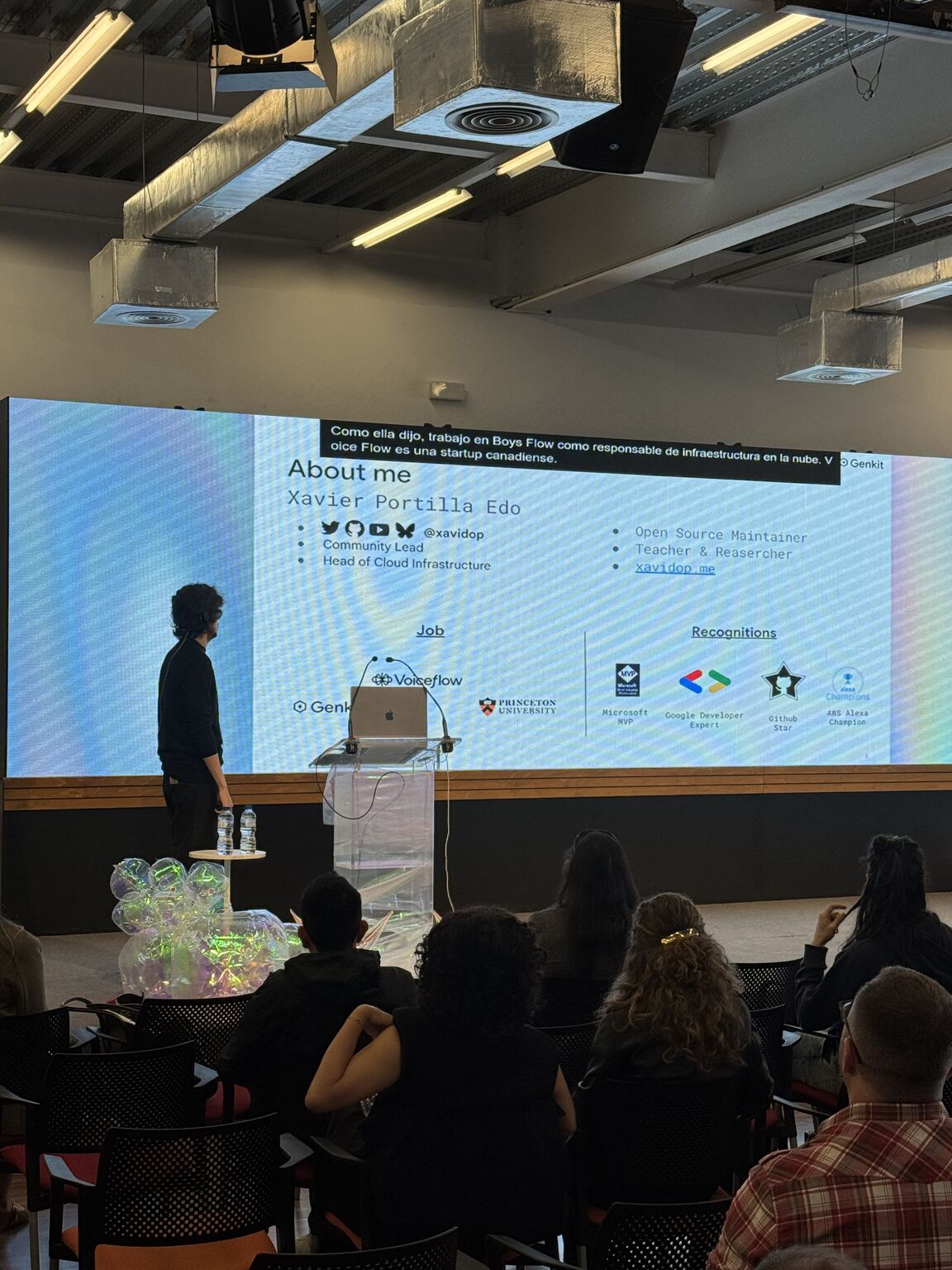
One of the most interesting moments was the Genkit session, which offered a very grounded view of how to build GenAI solutions quickly and pragmatically. It was also a pleasure to share that space with Xavier, Microsoft MVP, who brought an especially strong technical perspective to the conversation.
I also found the discussion around local inference particularly relevant. Running models locally is making more and more sense as a risk-mitigation strategy. Not only because of privacy, but because of something even more important: dependency on large providers.
If pricing changes, terms shift, or usage becomes restricted, many business lines could become exposed. Having alternatives is no longer a secondary technical question. It is strategy.
That connects directly with an uncomfortable reality: much of the ecosystem still operates without truly profitable model economics. At some point, pricing adjustments, harder limits, or changes in the business model will arrive. And when that happens, many companies will realize too late that they built critical dependencies without room to maneuver.
That is why hybrid architectures make increasing sense: taking advantage of the best of the cloud while combining it with local capabilities that provide cost control, technical sovereignty, and resilience.
Events like this make one thing very clear: we are no longer in the phase of experimenting for the sake of experimentation. We are in the phase of deciding how we want to build the future with AI.